Every parent dreams of having a well-disciplined child — one who listens, respects others, and takes responsibility for their actions.
But let’s be honest — discipline isn’t about control, it’s about teaching. It’s not about making your child afraid of you, but helping them understand the difference between right and wrong, and choose good behavior willingly.
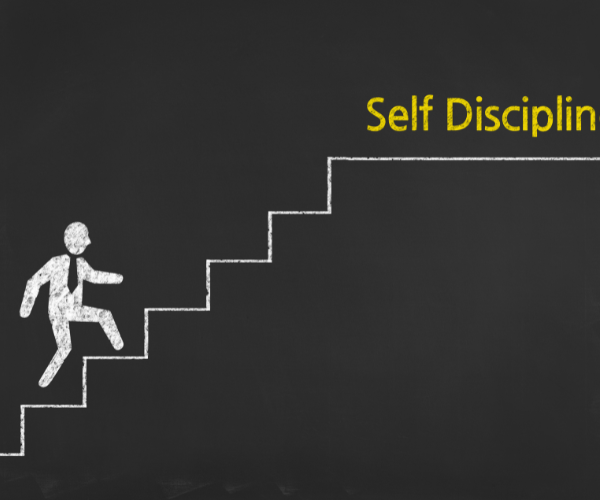
In this blog, you’ll learn practical, positive, and proven ways to raise a well-disciplined child without shouting, punishing, or creating fear — just love, connection, and consistency.
💡 What Is True Discipline?
The word “discipline” comes from the Latin word disciplina, which means “to teach or guide”.
So, discipline is not about punishment — it’s about teaching life lessons through consistent actions and boundaries.
True discipline:
- Builds your child’s inner control.
- Teaches self-responsibility.
- Develops respect for self and others.
- Strengthens parent-child bonding.
When children feel connected and respected, they naturally become more cooperative and self-disciplined.
🚧 Why Children Become Undisciplined
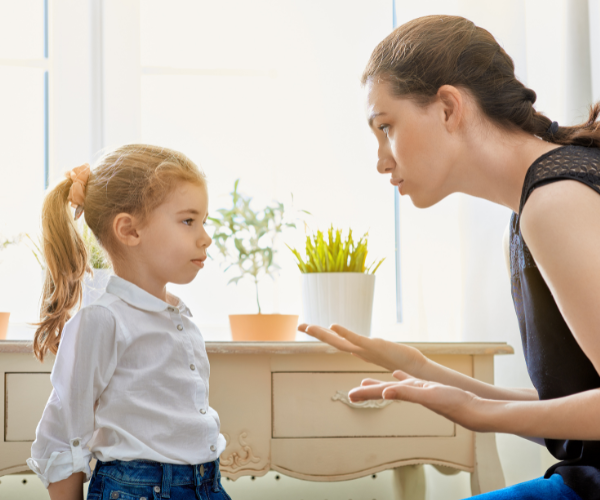
Before correcting your child’s behavior, it’s important to understand why they misbehave. Some common reasons are:
- Lack of clear boundaries or routine.
- Inconsistent parenting — sometimes strict, sometimes lenient.
- Seeking attention or power.
- Feeling disconnected, unloved, or unheard.
- Parents’ own stress, anger, or lack of patience.
- Too much screen time and less real communication.
Once you understand the root cause, discipline becomes easier and more meaningful.
🌱 10 Practical Ways to Make Your Child Well-Disciplined
1. Be Calm and Consistent
Children learn more from your behavior than your words.
If you react with anger, they’ll learn anger.
If you respond with calmness and consistency, they’ll learn self-control.
✅ Tips:
- Take a deep breath before reacting.
- Set clear rules and follow them every day.
- Avoid changing your stand frequently.
- Speak less, but act consistently.
2. Set Clear Rules and Boundaries
Children feel safe when they know what’s expected of them.
Clear rules help them understand limits and structure.
✅ Tips:
- Make 4–5 simple, age-appropriate rules.
- Example: “We finish homework before screen time.”
- Explain the why behind each rule.
- Keep the rules visible (on a chart or board).
💬 Remember: Rules teach responsibility — not fear.
3. Use Natural and Logical Consequences
Instead of punishment, use consequences that are related to the action.
This teaches accountability and helps them connect their behavior to outcomes.
✅ Examples:
- If your child throws food — they help clean it up.
- If they forget their homework — they face the teacher’s feedback.
- If they break a toy — they don’t get a replacement immediately.
🧠 Logical consequences = Learning opportunities.
4. Praise Good Behavior — Not Just Correct the Bad
Positive reinforcement is the strongest tool for discipline.
When you notice and appreciate your child’s good behavior, they’ll repeat it.
✅ Tips:
- Say, “I love how you shared your toys with your sister.”
- Appreciate effort, not just results.
- Avoid overpraising — be specific and genuine.
- Celebrate small wins regularly.
🌼 Children bloom where they feel appreciated.
5. Teach Emotional Control
A child who can name and manage emotions becomes naturally disciplined.
Help them recognize feelings instead of reacting impulsively.
✅ Tips:
- Use emotion words like: angry, sad, disappointed, excited.
- Teach “calm down” methods — deep breathing, counting to 10, or taking a break.
- Model it yourself — show how you stay calm under stress.
💬 Example:
“I can see you’re upset because your toy broke. Let’s fix it together after you calm down.”
6. Spend Quality Time Daily
Discipline becomes effortless when your child feels deeply connected to you.
When they feel seen and valued, they don’t need to misbehave to seek attention.
✅ Tips:
- Spend 15–20 minutes daily in one-on-one time.
- Play, talk, or read together — no screens.
- Eat at least one meal together.
- Listen more than you speak.
💖 Connection builds cooperation.
7. Be a Role Model of Discipline
Children mirror what they see.
If you want your child to be disciplined — show them discipline in your actions.
✅ Tips:
- Keep your promises.
- Follow your own rules — sleep, phone, work ethics.
- Handle your frustration calmly.
- Show respect to elders and others.
🪞 Your discipline teaches them more than your advice.
8. Encourage Responsibility and Independence
Let your child take small responsibilities — it builds accountability and self-worth.
When they own their actions, discipline becomes self-driven.
✅ Ideas:
- Involve them in household chores.
- Let them pack their school bag.
- Allow them to make small choices — clothes, snacks, study schedule.
- Teach them to clean their space after playing.
🌱 Responsibility = Foundation of Discipline.
9. Limit Screen Time and Encourage Real Activities
Excessive screen time affects focus, sleep, and behavior.
Children who spend more time on screens struggle with patience and discipline.
✅ Tips:
- Fix daily screen limits (e.g., 1 hour).
- No screens during meals, study, or bedtime.
- Replace screens with real play — art, music, sports, reading.
- Be a role model: reduce your own screen time.
📵 A child’s brain learns discipline through real-world engagement, not digital reward loops.
10. Stay Patient and Keep Communication Open
Discipline is a process — not a one-day event.
Children will make mistakes; your job is to guide, not judge.
✅ Tips:
- Listen to their point of view before deciding.
- Use “I” statements: “I feel upset when you ignore instructions.”
- Avoid labeling words like “lazy” or “naughty.”
- Focus on solutions, not blame.
🕊️ Patience builds trust — trust builds discipline.
🌟 Bonus Tip: Replace “Don’t” With “Do”
Instead of always saying “Don’t run inside the house”, say “Please walk inside; you can run in the garden.”
Positive instructions guide behavior better than negative commands.
✅ Why It Works:
- Focuses on what they should do.
- Reduces resistance.
- Makes communication more respectful.
💬 Final Thoughts
A well-disciplined child is not born — they are guided, taught, and inspired through consistent love, respect, and patience.
Remember — your child learns self-discipline by watching how you handle challenges, emotions, and responsibilities.
Every “teaching moment” is a chance to shape their future behavior.
So, next time your child misbehaves — pause, connect, and guide.
Because discipline taught with love today will become their strength for life.
🌈 In Summary: The Golden Formula for Discipline
- Stay calm and consistent.
- Set clear rules and consequences.
- Appreciate good behavior.
- Teach emotional intelligence.
- Spend quality time daily.
- Be a role model.
- Encourage responsibility.
- Limit screens.
- Keep communication open.
- Replace “don’t” with “do”.
✅ Remember this:
“Discipline is not about making your child fear you —
it’s about helping your child respect themselves.”